01
Normalize Trade Parties
Connect suppliers, manufacturers, MIDs, countries, and part numbers.


Compare multiple origin signals to identify declarations that may require confirmation or correction.
Country of origin is a key element of tariff treatment. TariffBoost brings declared origin, shipment, manufacturer, supplier, and historical signals into one review.
Connect suppliers, manufacturers, MIDs, countries, and part numbers.
Flag contradictions across customs, commercial, supplier, and shipment records.
Focus investigation on discrepancies with the greatest duty or compliance impact.
Record supporting facts and send approved origin data to systems and brokers.
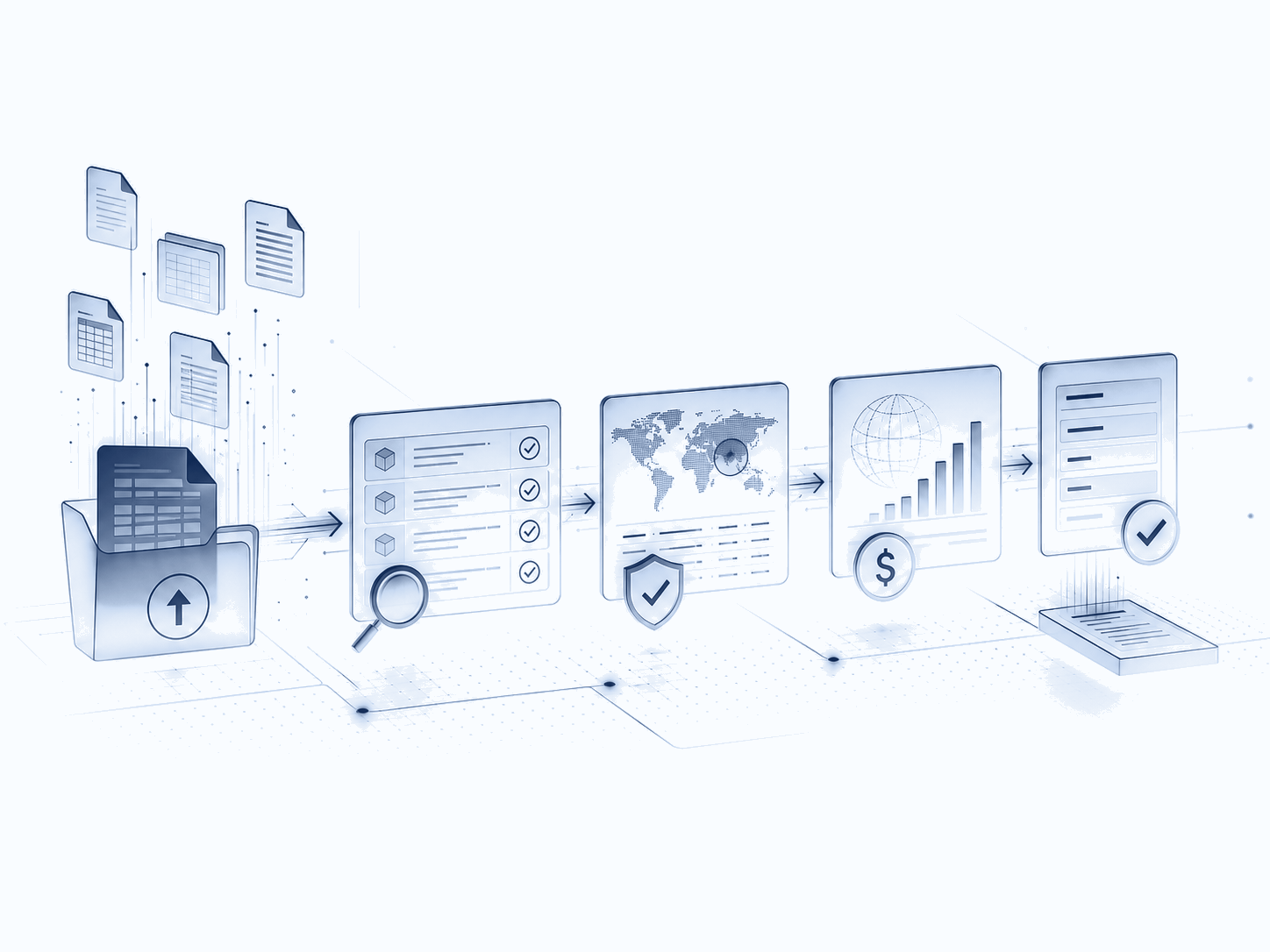
Compare the declared origin with shipment routing and manufacturer identity patterns.
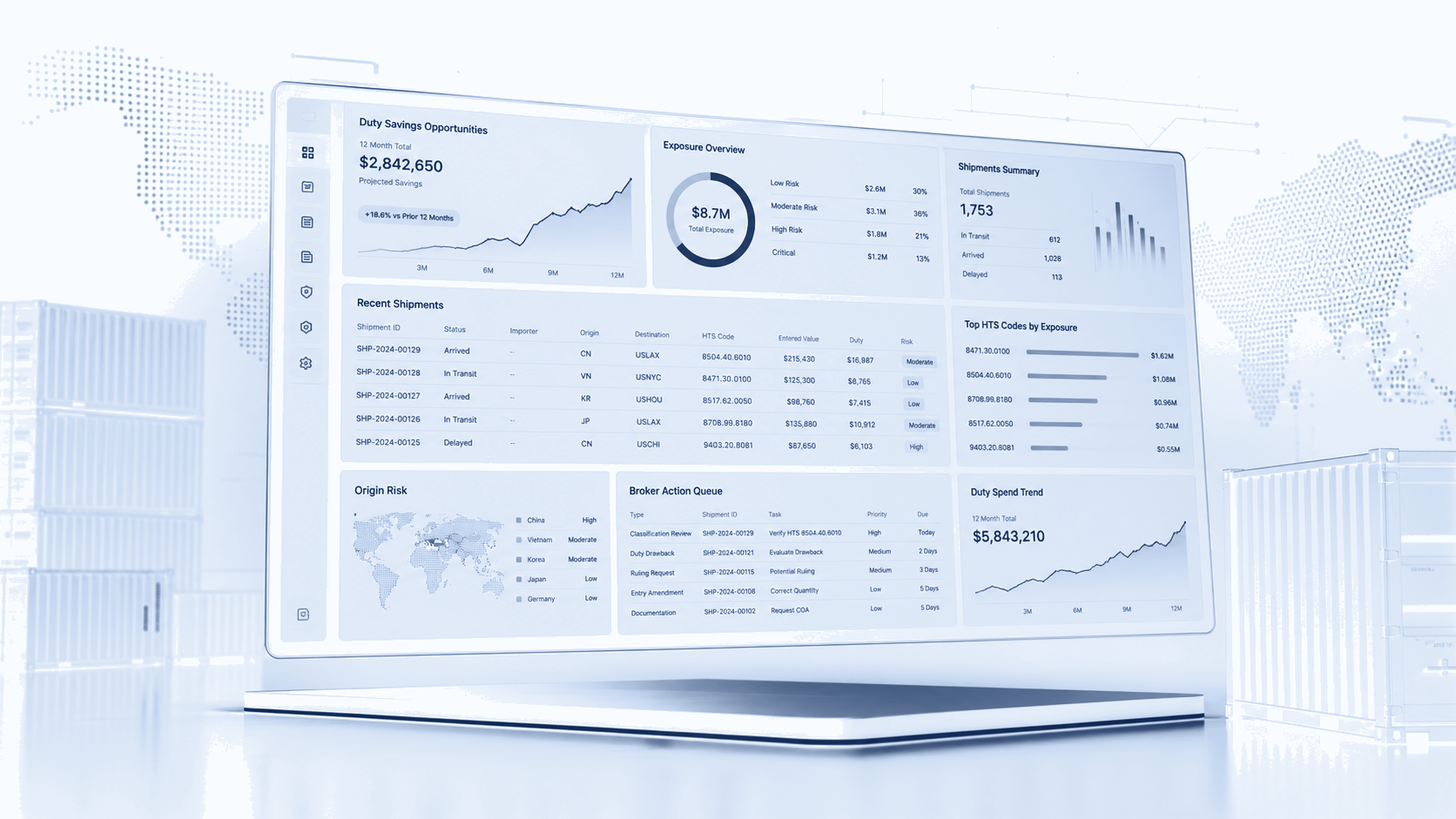
Identify where vendor statements and internal product records conflict with customs declarations.
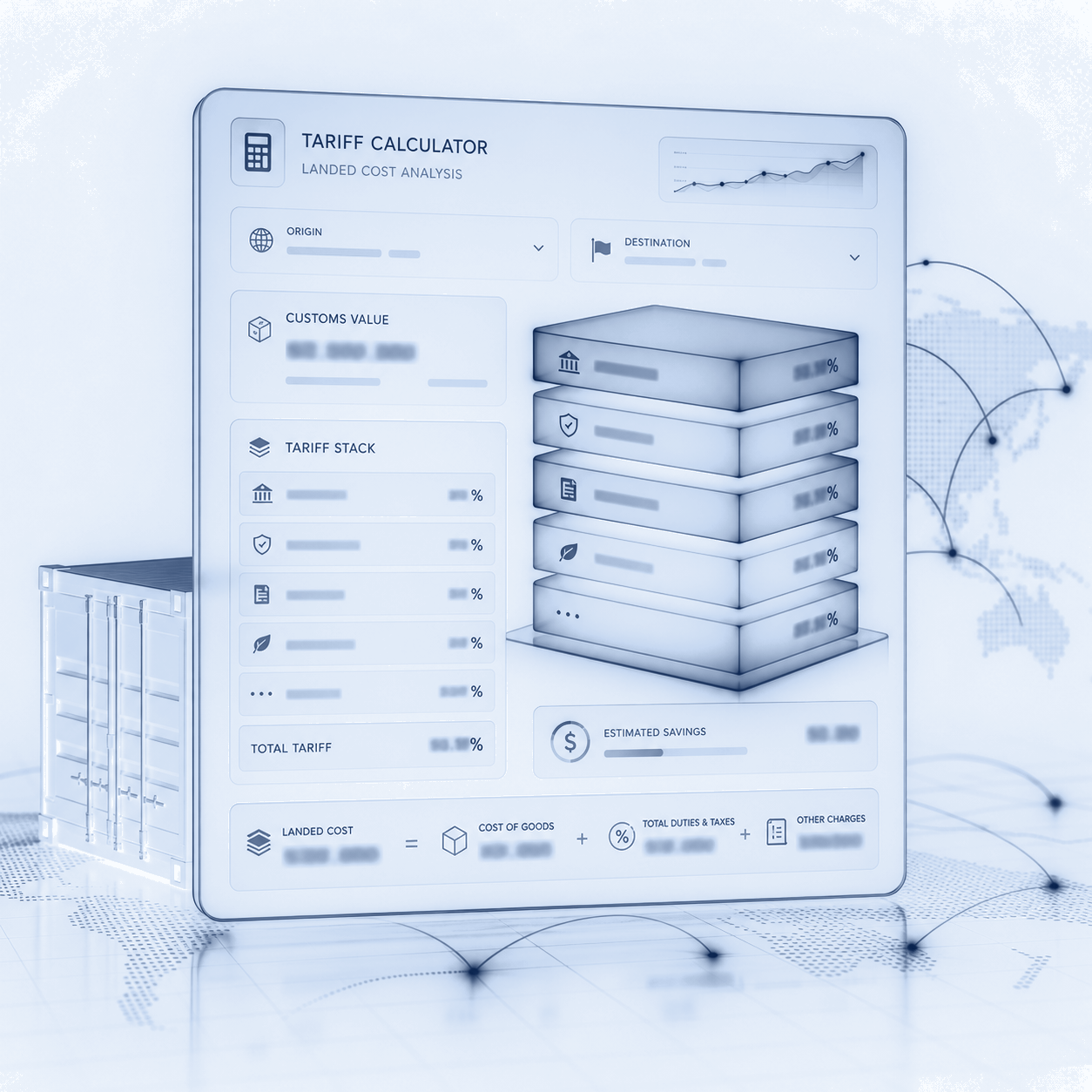
Surface unexplained origin changes and outliers across products, brokers, ports, and time.
TariffBoost creates a review trail showing which signal conflicted, the transactions affected, the potential tariff impact, and the facts that still need confirmation.
See how origin connects to FTA savings
Origin can determine eligibility for preferential treatment and exposure to country-specific tariff actions, quotas, marking rules, and other import requirements.
Not necessarily. The export country reflects shipment movement, while origin generally depends on where a good was produced or substantially transformed under the applicable rule.
Useful records may include entry data, manufacturer IDs, supplier declarations, bills of materials, production information, product masters, certificates, and historical transactions.
Start with entry history, supplier records, and product data. TariffBoost will surface the inconsistencies worth investigating.