01
Find Affected Entries
Group transactions by tariff action, entry date, HTS code, origin, product, and customs value.


Review U.S. customs transactions, calculate potential duty recovery, and connect every amount to the affected entry.
TariffBoost organizes the population, calculations, and documents so qualified teams can focus on eligibility, deadlines, and the correct filing path.
Group transactions by tariff action, entry date, HTS code, origin, product, and customs value.
Compare the amount paid with the treatment under review and show the calculation for each entry.
Rank the population by potential recovery value, time sensitivity, and evidence readiness.
Organize entry lists, calculations, and source documents for professional review.
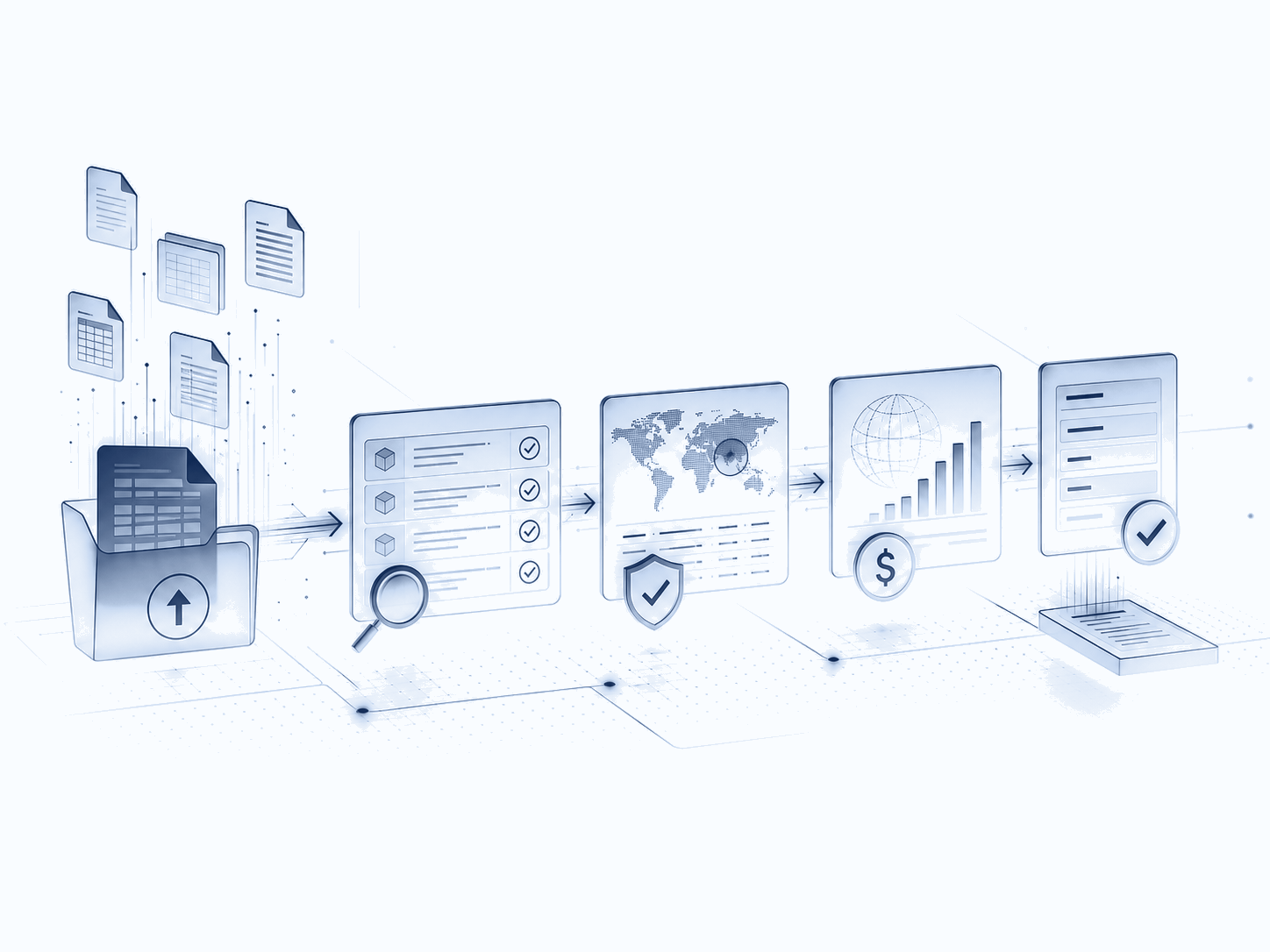
One structured view of the transactions that may qualify for correction or recovery.
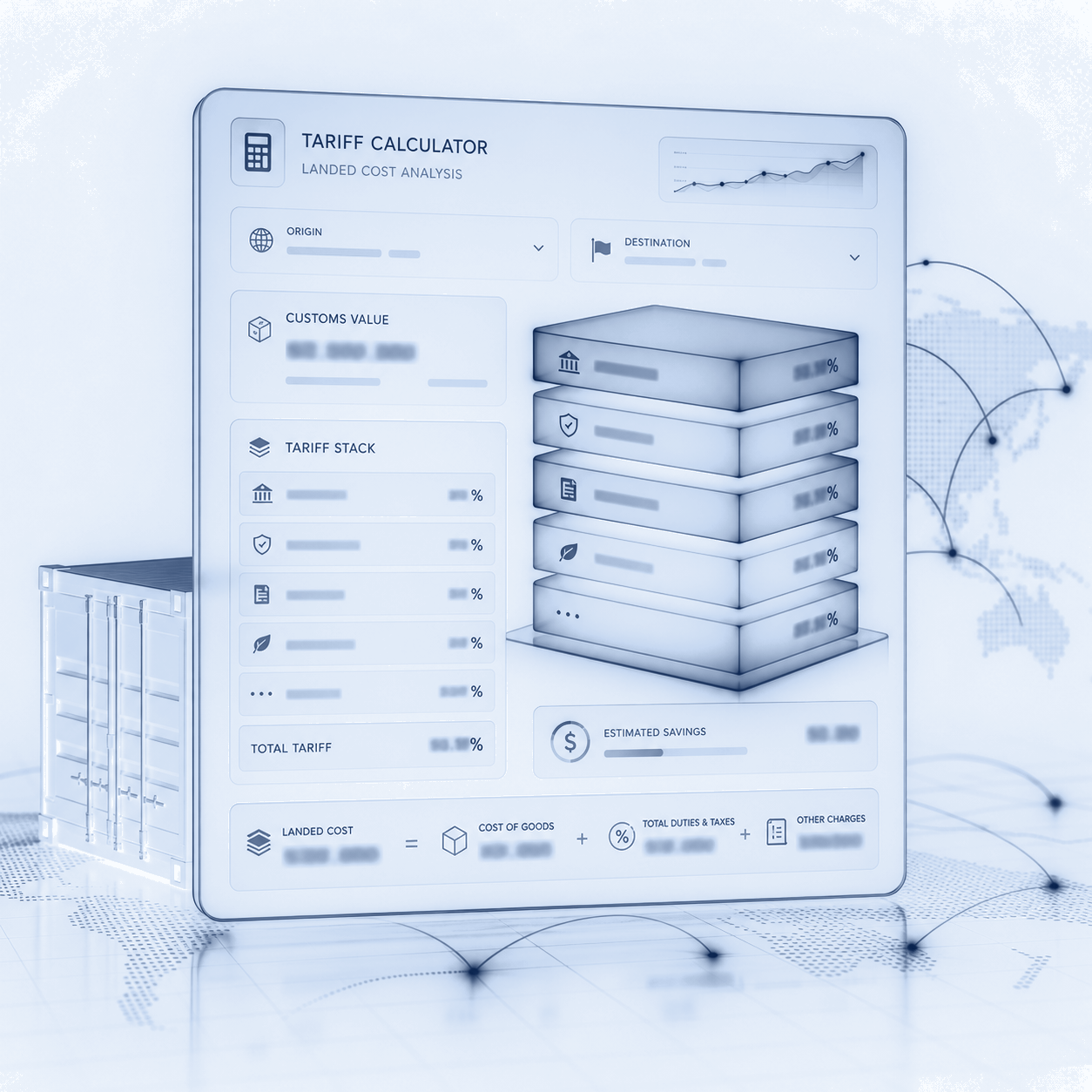
Clear assumptions and arithmetic tied to each customs entry and tariff layer.
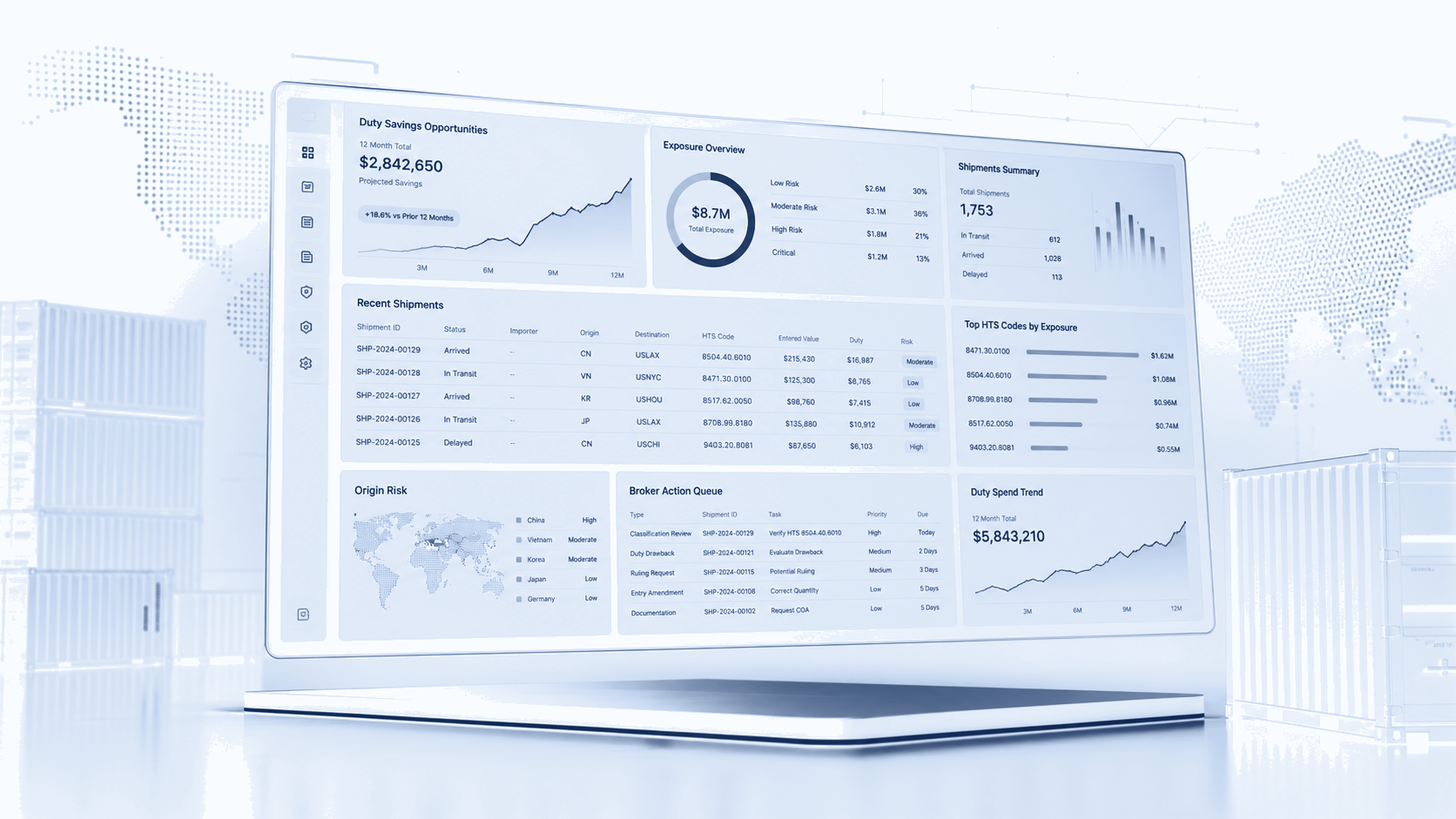
A practical handoff for validating eligibility, deadlines, filing method, and supporting records.
TariffBoost converts import history into an inspectable recovery analysis. It does not file claims or replace legal and customs advice; it helps qualified teams focus on the entries that matter.
Estimate a tariff scenarioEligibility depends on the tariff program, entry facts, liquidation status, filing path, and applicable deadlines. TariffBoost helps identify and calculate a candidate population for professional validation.
A CBP ACE import report or broker entry export can establish the duty-paid population. Entry summaries, product records, origin data, and other supporting documents may be needed to confirm individual transactions.
No. It is analytical decision support. The importer and qualified customs professionals must confirm the legal basis, filing mechanism, deadline, and supporting evidence before submitting any claim.
Begin with your entry data. TariffBoost will identify the population, model potential recovery, and organize the evidence for review.