01
Screen Exposure
Locate affected HTS and Chapter 99 combinations across metal and derivative products.


Find high-tariff transactions and organize the HTS, Chapter 99, origin, and metal-content facts needed for review.
TariffBoost gives engineering, sourcing, finance, and customs teams a shared path from tariff exposure to product evidence and controlled entry instructions.
Locate affected HTS and Chapter 99 combinations across metal and derivative products.
Organize material value, weight, origin, country of smelt, and country of pour by part.
Compare current duty with alternative treatment supported by verified product facts.
Translate approved conclusions into consistent broker-ready declaration data.

Find high-duty transactions by classification, tariff code, country, supplier, and product.
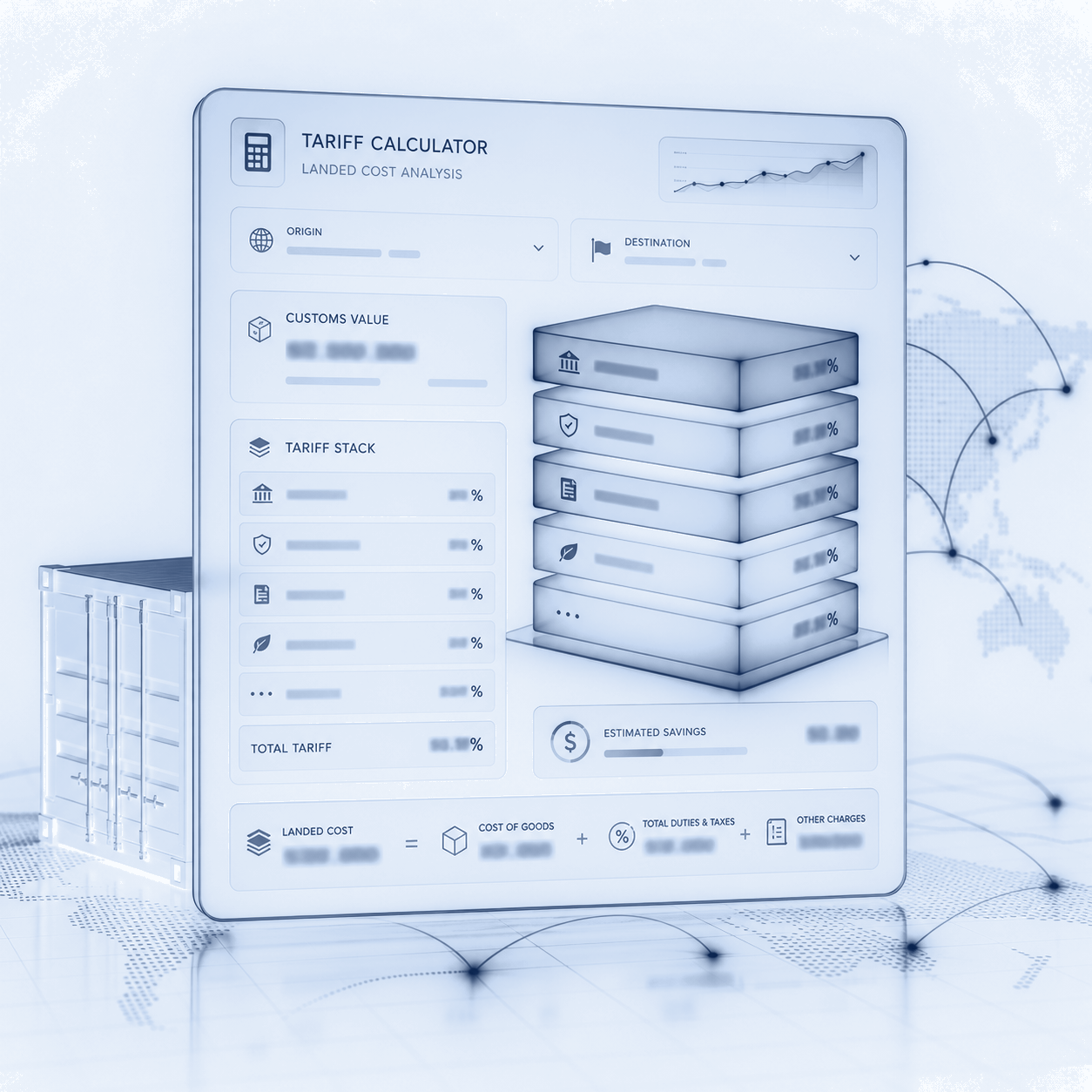
Bring engineering and supplier facts into the same review as entry-level customs data.
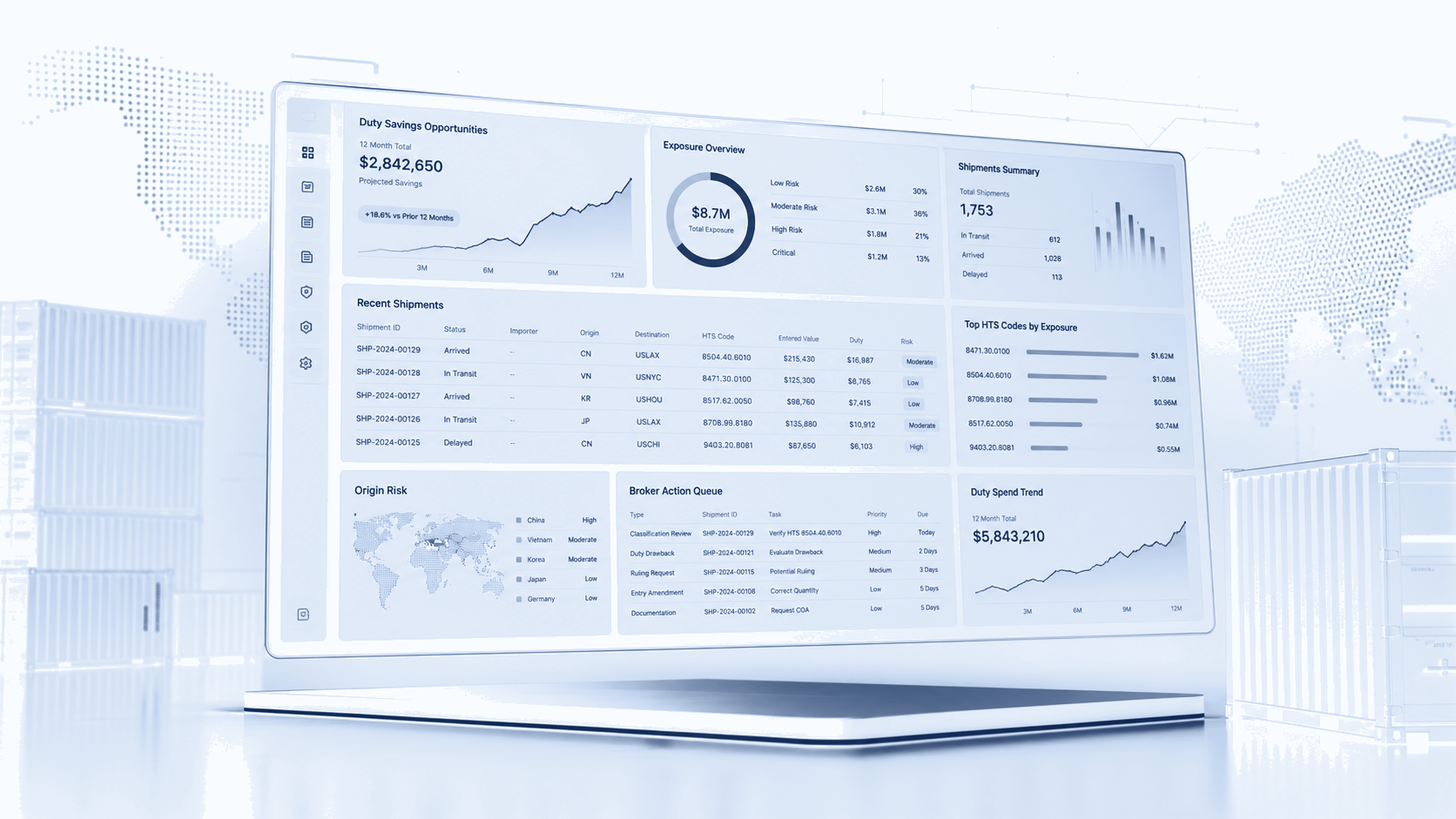
Move validated results into a controlled workflow for product masters and broker instructions.
TariffBoost gives engineering, sourcing, finance, and customs teams a shared view of affected imports and missing metal data. Rates and scope change; final treatment should always be confirmed against current official guidance.
Model a Section 232 scenario
It is a review of whether the correct Section 232 treatment, tariff code, value base, exclusions, and product facts were applied to affected imports. The answer depends on current rules and the evidence for each product.
Depending on the measure, a review may require HTS and Chapter 99 codes, steel, aluminum, or copper value and weight, country of origin, country of smelt or pour, supplier documentation, and entry dates.
Reviewing product and material data before entry can improve broker instructions. Historical entries may also warrant analysis, subject to applicable correction or refund procedures and deadlines.
Start with entries receiving high rates, then connect the metal-content information needed to support the correct treatment.