Recover Overpaid Duties
Reconcile affected customs entries and calculate potential tariff refunds with a transaction-level trail.
Tariff refund recovery →
TariffBoost analyzes customs transactions to identify potential duty refunds, preferential treatment, tariff optimization, and data corrections—without a lengthy integration project.
Request a Free Savings Review→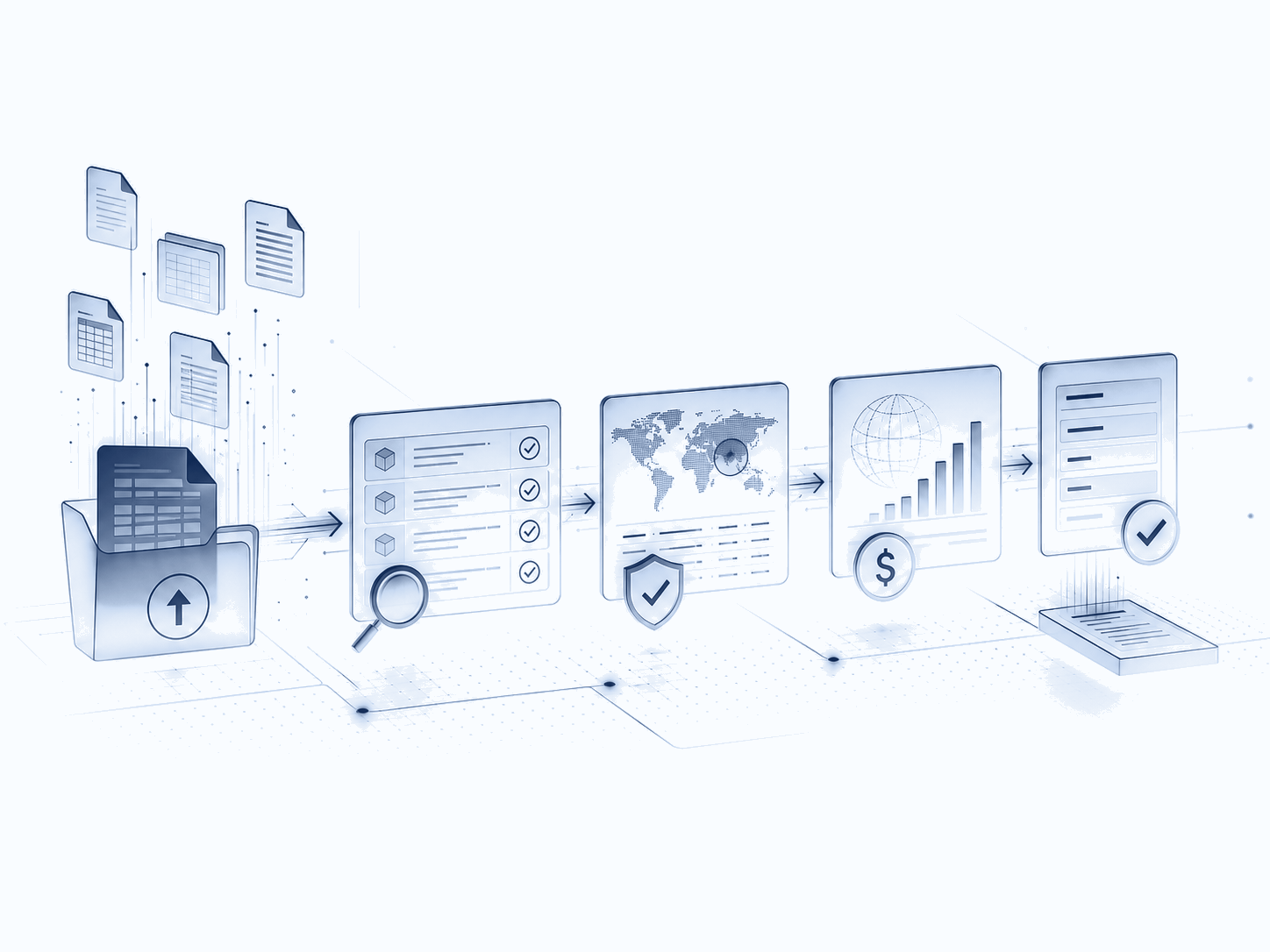
Reconcile affected customs entries and calculate potential tariff refunds with a transaction-level trail.
Tariff refund recovery →Review steel, aluminum, and copper products for Section 232 treatment supported by material data.
Section 232 optimization →Find imported parts that may qualify under a U.S. Free Trade Agreement and identify certificate gaps.
FTA optimization →Compare HTS and country-of-origin declarations with supplier, product, and historical records.
HTS classification audit →TariffBoost starts with the transactions your company already has. AI analytics organize the population, while customs professionals retain control of final decisions and filings.
Use CBP ACE reports, broker entry exports, product masters, supplier data, and available certificates.
Screen duty paid, HTS codes, country of origin, tariff programs, material content, and transaction history.
Rank opportunities by potential savings, compliance impact, filing window, and evidence readiness.
Prepare clear calculations, record lists, and questions for internal teams, brokers, counsel, or other qualified professionals.
Quantify potential recovery and keep every estimate tied to the affected entry.
Explore refunds →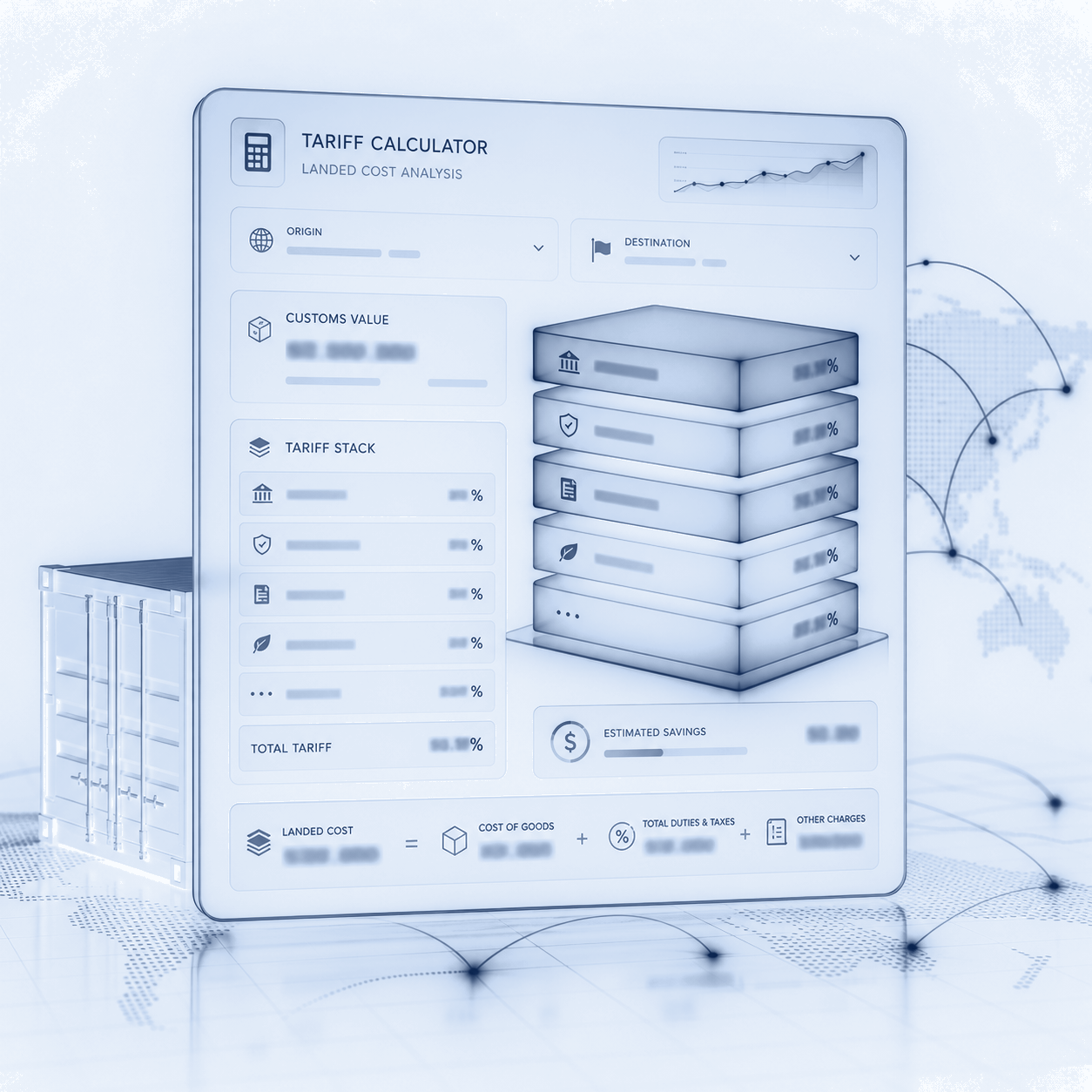
Review maximum-rate exposure and the material data needed for defensible treatment.
Explore Section 232 →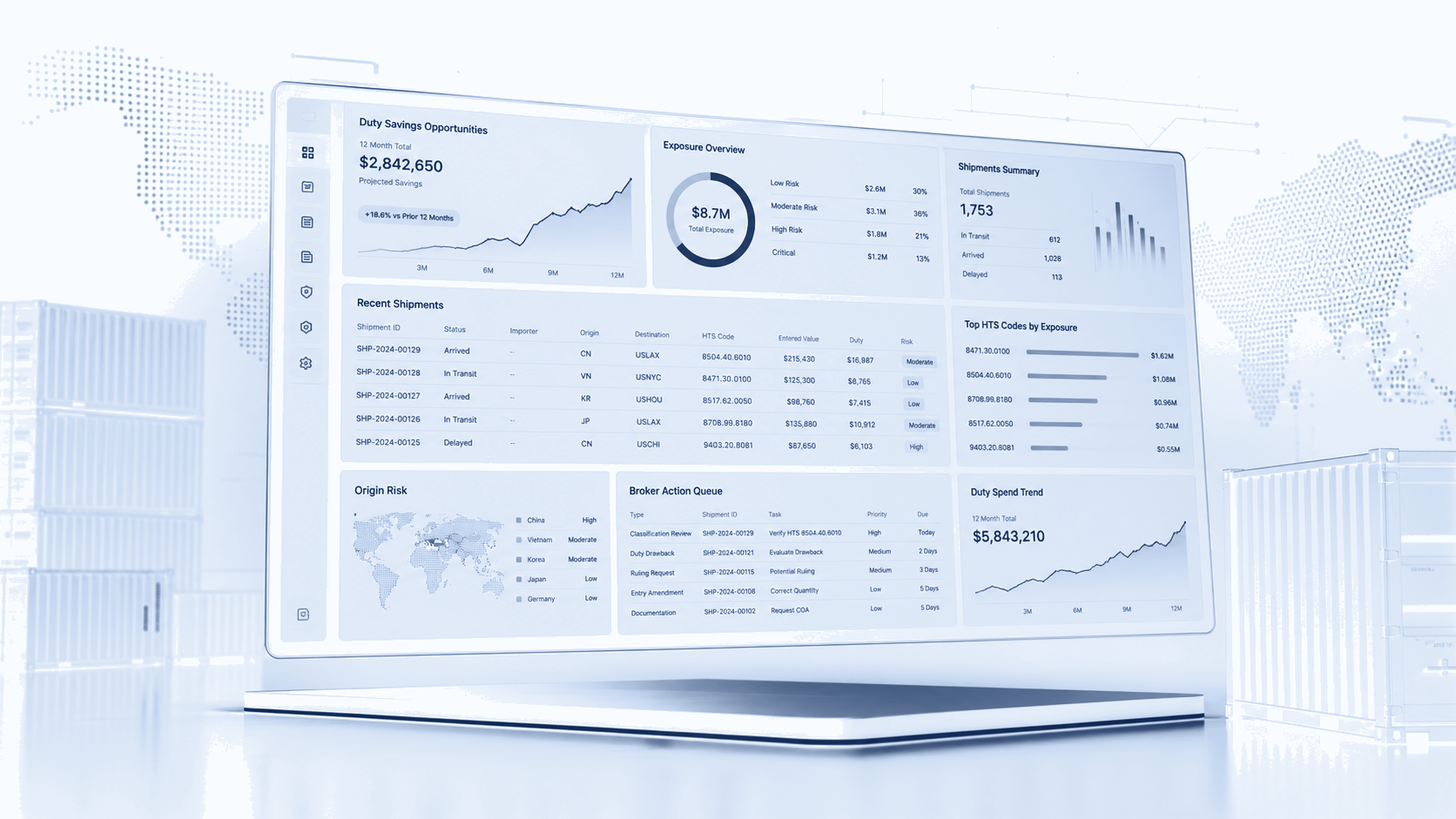
Match import history with origin, eligibility, and certificate coverage.
Explore FTA savings →Tariff savings depend on the facts of each transaction. These answers explain how the review begins.
Tariff savings are reductions or recoveries of customs duties supported by applicable rules and accurate transaction data. Opportunities may involve refunds, Free Trade Agreements, special tariff treatment, exclusions, valuation, HTS classification, or country of origin.
TariffBoost uses AI data analytics to review customs entries alongside product, supplier, origin, and tariff data. It groups and prioritizes transactions that may need recalculation, documentation, or professional review.
A review can begin with a CBP ACE import report or broker entry export. Product master data, supplier records, certificates, and material content can be added when a specific opportunity requires them.
No. TariffBoost provides analytical decision support and organizes evidence. Final classifications, origin determinations, claims, and customs filings should be verified by the importer and appropriately qualified professionals.
Yes. The initial analysis can begin with approved file exports, so importers can evaluate potential value before planning a larger data connection.
TariffBoost analysis supports review. Importers should confirm current rates, scope, origin rules, and filing requirements with official guidance and qualified professionals.
Your data stays private. Start with a sample customs file and see which opportunities deserve a closer look.